


Graphic by Steve Huynh | The Triangle
Life at Drexel in 1926 was highly structured and formal, very different from the campus experience students may know today. From academics to housing to daily expectations, students followed strict guidelines outlined in official handbooks and catalogs.
First of all, students attended Drexel Institute of Art, Science and Industry, not Drexel University. The most popular degrees were in Engineering, Home Economics, and Business Administration, each with its own subject requirements. The Departments of Education and Psychology were both established in 1926 in an effort to expand the majors outside of engineering. Students also studied courses that may seem unusual today, such as Mechanical Drawing, Typewriting, Stenography, and Bookkeeping.
Academically, Drexel maintained firm standards. Students who struggled in a course could receive a “condition” grade, which meant they could make up their work through extra study and a re-examination. If a student earned a 65 percent or higher on this follow-up exam, they would receive credit for the course. These condition exams were held the week before final exams, which may have added pressure at the end of the term.
The co-op program was still relatively new and not available for all majors, so depending on what one studied, Drexel may not have even offered it yet. Engineering students could participate in the Cooperative Engineering Course, which combined classroom and industrial work. The first year consisted of three terms of coursework, while the second through fifth years included two terms of classroom study and two terms of industrial work, each lasting three months.
Attendance was taken seriously and extended beyond the classroom. Attendance at all formal and informal assemblies was mandatory. Missing an assembly without an approved excuse resulted in a six-day suspension. Excuses had to be submitted to the Dean, reflecting the strict administrative structure of the time.
Housing rules were tightly regulated for women. Female students who lived too far to commute and could not stay with relatives were required to live in the Student Houses, located near 33rd Street and Powelton Avenue. Exceptions were rare and required approval from both the school council and a parent or guardian. The Dean of Women, Miss Ruth A. L. Dorsey, oversaw women students’ affairs at the time.
Health and wellness were also formally managed. All female students received physical examinations at the start of each school year. A ten-dollar annual medical fee provided access to the infirmary, including up to two weeks of care. Students placed on health supervision were required to follow specific routines set by the school physician.
Courses and programs also looked different, with degrees like Home Economics offered as professional programs in the School of Library Science. Graduates who completed this degree earned salaries between $1,500 and $5,000 per year, which was high income at the time.
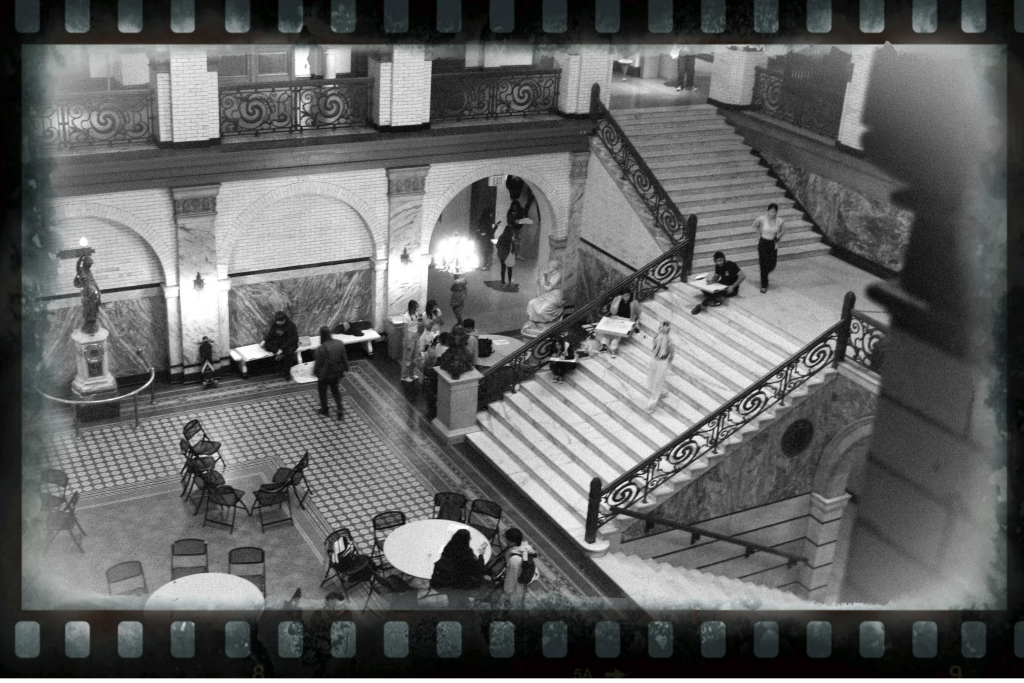
The campus at the time was vastly different from the way it looks today. The entire Institute was housed in only the Main Building and Randell Hall. The Main Building was completed 35 years earlier and dedicated in the presence of Anthony Drexel’s close friends and celebrities of the time, including Thomas Edison and Andrew Carnegie. The inside of the Main Building has not changed much from what we see today; a couple of shifted statues and updated lecture halls are all that separate us from a century ago. Randell Hall, originally known as East Hall, was built as an addition to the Main Building and dedicated in 1901 as an engineering building. While there were only two conjoined campus buildings in 1926, there are currently over 50 on the University City campus.
Outside the classroom, students participated in recreational programs and educational trips, including trips to factories, hospitals, and libraries in Philadelphia. Many students were in the workforce and took evening classes; Drexel offered evening diplomas to accommodate them.
There are a few spots around the Main Building that may have been popular student hangouts. Asbury University Church, which is now home to The Study, appears a few times in the university archives and may have been the preferred place of worship for nearby students.
Other spots include Supplee Ice Cream, which used to be on the corner of 34th and Market — where we recently lost our Wawa — and a couple of nearby hotels, technically on the University of Pennsylvania’s campus. Generally, the area around both Drexel and Penn consisted of industrial flour mills, warehouses, and processing plants, none of which exactly parallel the cute coffee shops and fast-casual restaurants that much of University City is packed with.
Drexel was vastly different a century ago: student opportunities and student lives were unlike what we experience today. Nowadays, it can feel frustrating to lose aspects of our beloved campus, but looking back, there is a consistent upward trajectory as the University City landscape has adapted to serve students. Drexel has changed significantly in the past century, and will undoubtedly change even more in the next one.